Building a Movement Ecosystem
There's a growing field of people and organizations working on creating abundance and innovating for our social movements.
We are grateful to be part of these ecosystems and want to contribute with the following projects:

Social Movement Studies
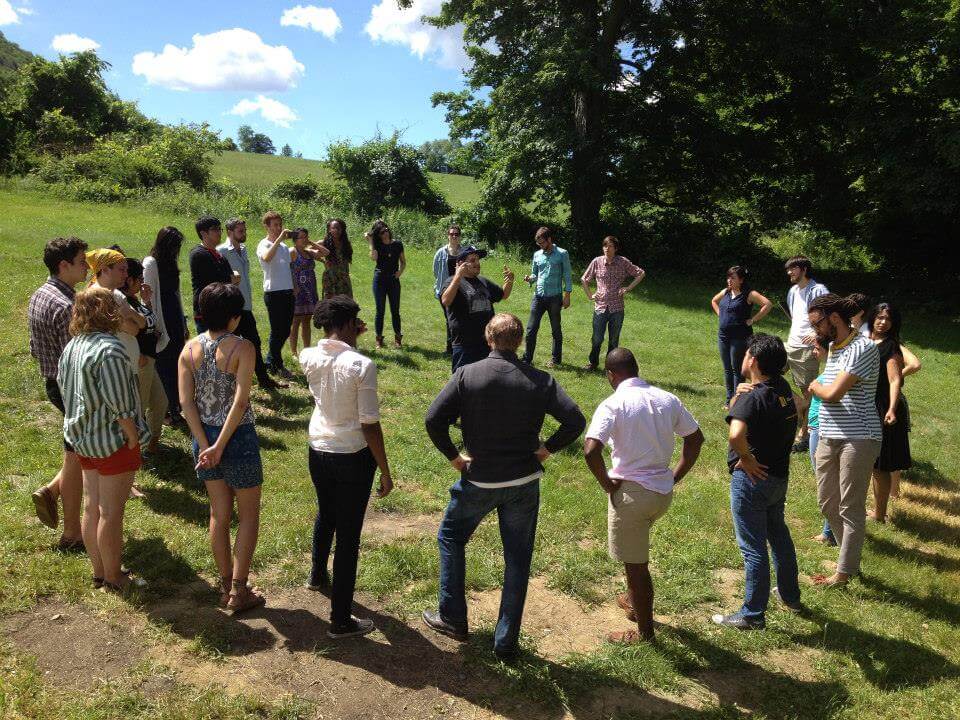
Forming Strategic Movement Leaders
The path of social change, grounded in values of dignity and respect for others, is challenging. We are often overwhelmed by a dominant culture of domination, accumulation, and individualism. While many become advocates, rebels, organizers, or good Samaritans, they often struggle without sufficient communal support and the necessary skills, worldviews, and strategies to enact radical social change. We believe that social change agents must cultivate years of study, reflection, practice, critique, and behavioral formation to have a chance at transforming the world. Our social movements curriculum aims to support these needs through systems thinking, strategic planning, and personal development.
Community Counseling
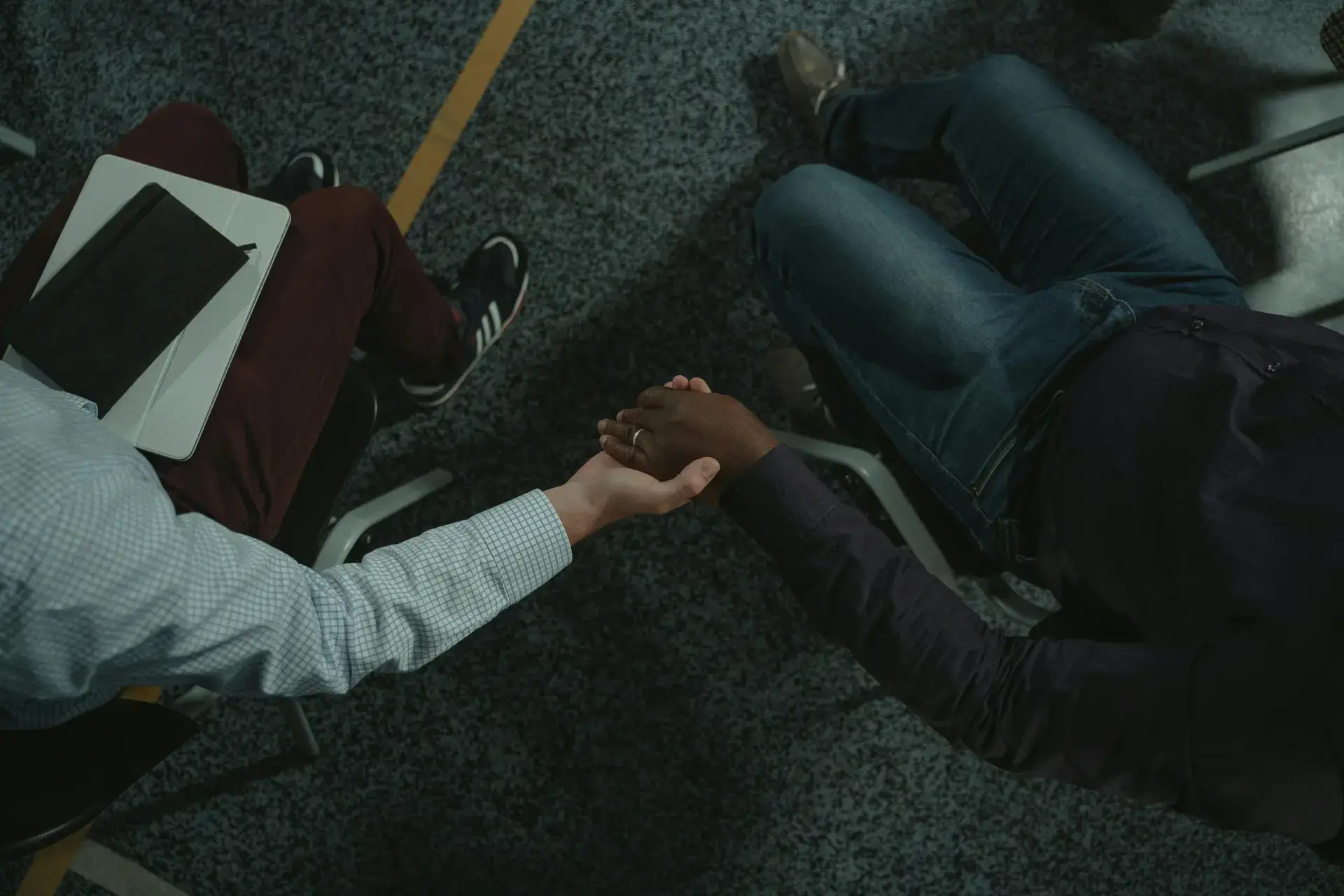
A mutual aid movement for emotional resiliency
The United States is facing a severe mental health crisis, with 17% of the population on prescription medication for disorders like depression and anxiety. Rising addiction and suicide rates, especially among youth, worsen the situation. The decline in community and a culture of individualism add to the problem. Professional mental health support is often inaccessible due to high costs and limited availability, while mutual aid efforts lack necessary skills and structure. Community Counseling aims to fill these gaps by providing an accessible, skill-based support model within everyday communities, fostering emotional support, healing, and personal growth without financial barriers.
Modes of Exchange Project
A new Political Ideology
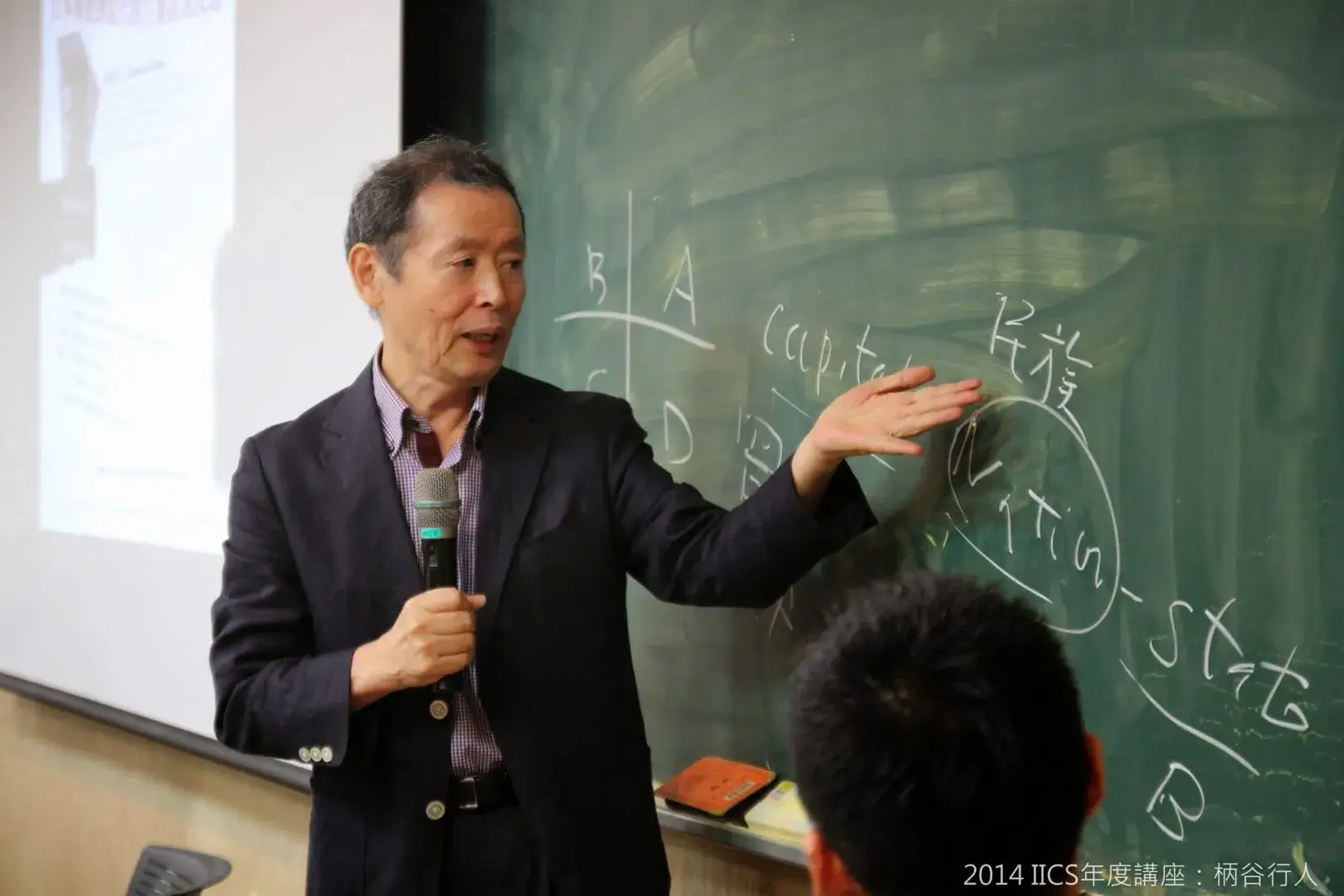
Over the past decade, the Ayni Institute has emphasized the importance of broader perspectives for social movements and their leaders to better understand history and address current issues. Influenced by Japanese philosopher Kōjin Karatani, his Modes of Exchange framework has deepened our understanding of social, political, and economic formations, both past and present. This insight helps us identify the root causes of today’s problems and the limitations of current solutions. Understanding these factors is crucial for developing informed, long-term strategies and avoiding the repeated mistakes of past social change movements in transcending the capital-nation-state order.

Movement Training Center
A center for movement education
Movement leaders require robust preparation, education, and spaces for radical conversations to foster innovation. However, finding suitable spaces for trainings, events, and gatherings can be challenging, as many organizations cannot afford the necessary infrastructure.
Recognizing the critical importance of space for organizations, leaders, and movements, and drawing from our own experiences as a community institute, we are excited to announce the opening of our Movement Training Center in Revere, MA. This center aims to address these challenges by providing an accessible space for the broader movement ecosystem.
The Memory Program
A culture of reciprocity and ancestral wisdom
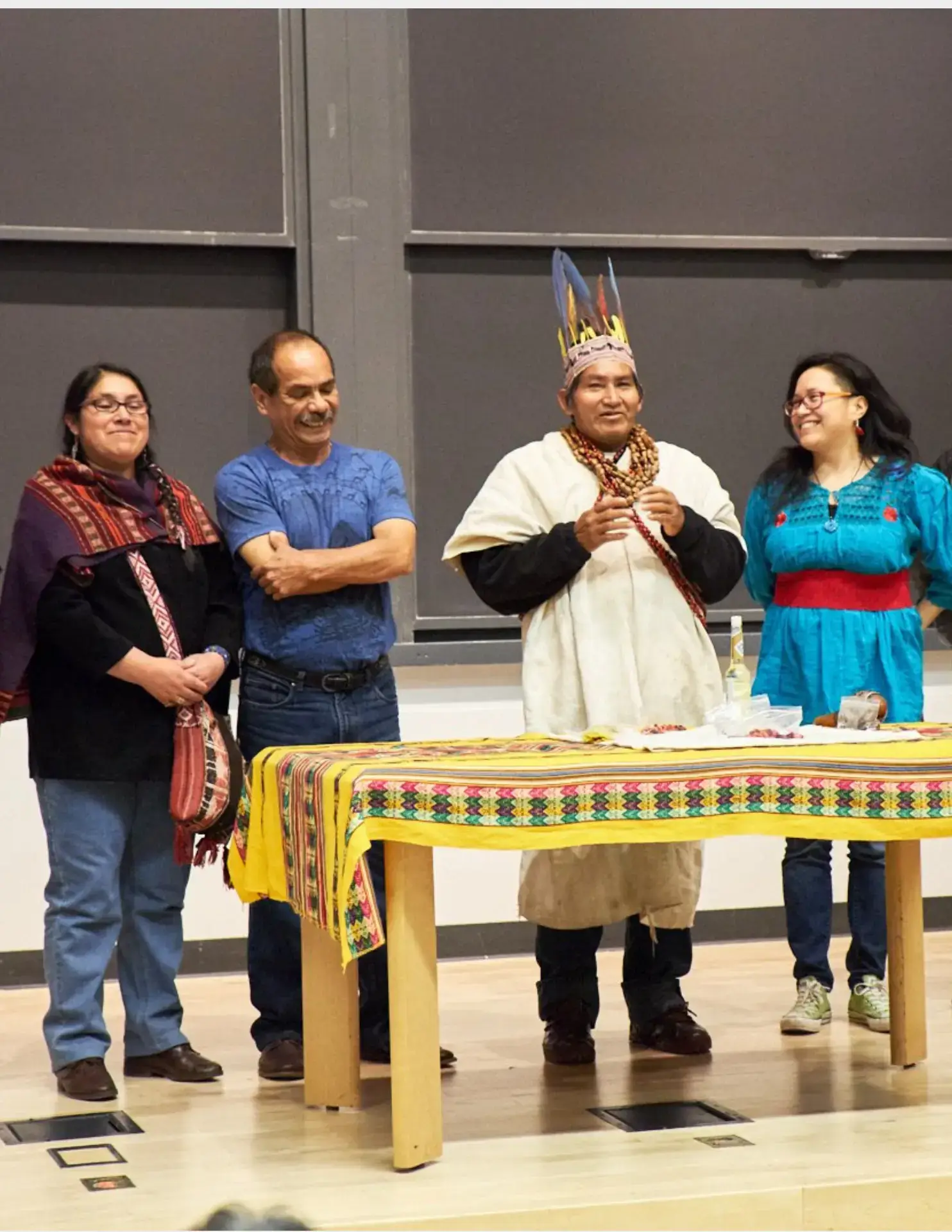
The Ayni Institute believes that no real or meaningful change can take place without reclaiming who we truly are and where we come from. As we face a crisis of losing wisdom and memory that spans thousands of years, we must honor and preserve our indigenous roots.
At the heart of the Memory Program is the commitment to empowering indigenous communities while fostering a bridge to share their wisdom with communities in the United States. This mission has led us to connect with esteemed elders hailing from the Andes and Amazon regions of Latin America, many of whom are integral members of our team.