Who controls the past controls the future.
Who controls the present controls the past."
- George orwell
"Who controls the past controls the future.
Who controls the present controls the past."
George Orwell
Memory Is Alive
The Ayni Institute believes that no real or meaningful change can take place without reclaiming who we truly are and where we come from. As we face a crisis of losing wisdom and memory that spans thousands of years, we must honor and preserve our indigenous roots.
At the heart of the Memory Program is the commitment to empowering indigenous communities while fostering a bridge to share their wisdom with communities in the United States. This mission has led us to connect with esteemed elders hailing from the Andes and Amazon regions of Latin America, many of whom are integral members of our team.
Our team works to build strong relationships with these elders, understanding their needs, vision, and aspirations and providing tailored support to ensure the continuity of their projects. Through coordination efforts, we channel financial resources towards initiatives that preserve and investigate indigenous wisdom, protect and archive traditions and practices for future generations to come, and promote community well-being while meeting emerging needs.
The program utilizes various methods, such as financial assistance, event coordination, fundraising, and project development, to promote cultural revitalization and cross-cultural exchange.
In addition to supporting elders’ projects on the ground, the Memory Program is dedicated to bringing indigenous wisdom from abroad to the United States through various trainings and events. From cultural exchanges to educational workshops, the program aims to create opportunities for cross-cultural learning and dialogue, in order to align participants with social change perspective that embodies the values inherent to many indigenous communities around the world – the continued and lifelong stewards of our oldest ancestor – Mother Earth. The importance of community, ritual, and ceremony. And the everlasting wisdom of our ancestors that is so needed today.
Our Projects and Offerings
The Mysteries of The Andes Film Series
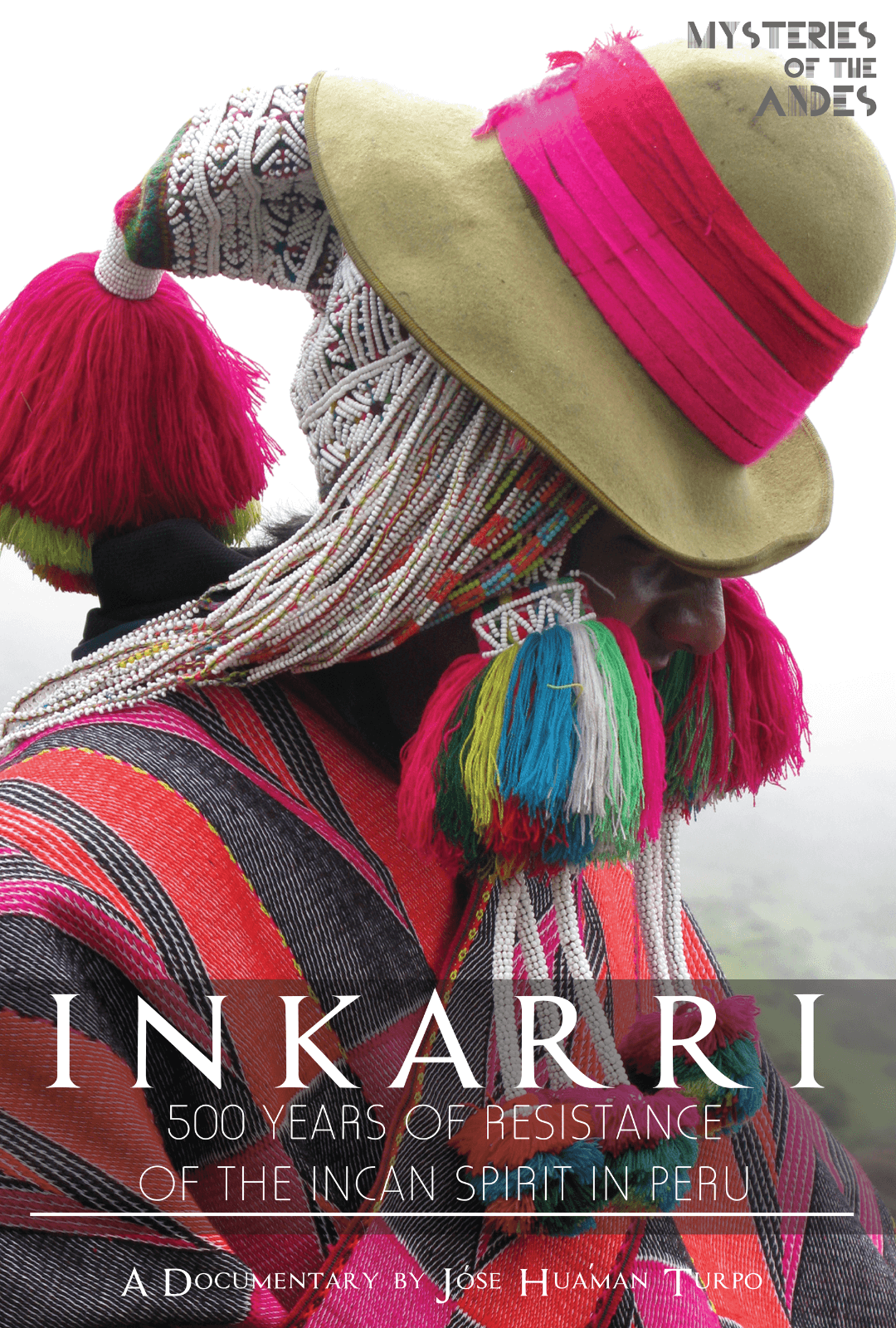
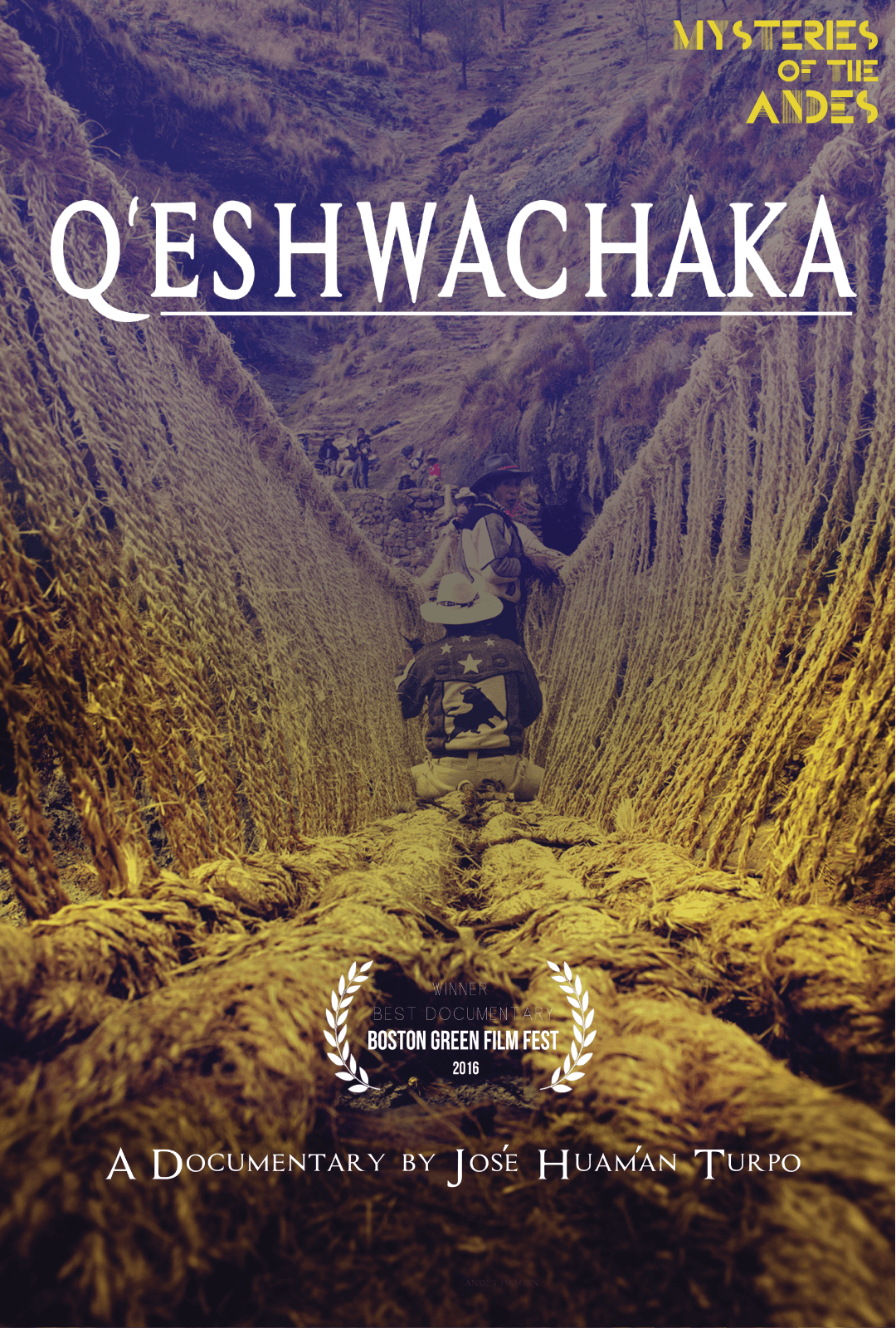
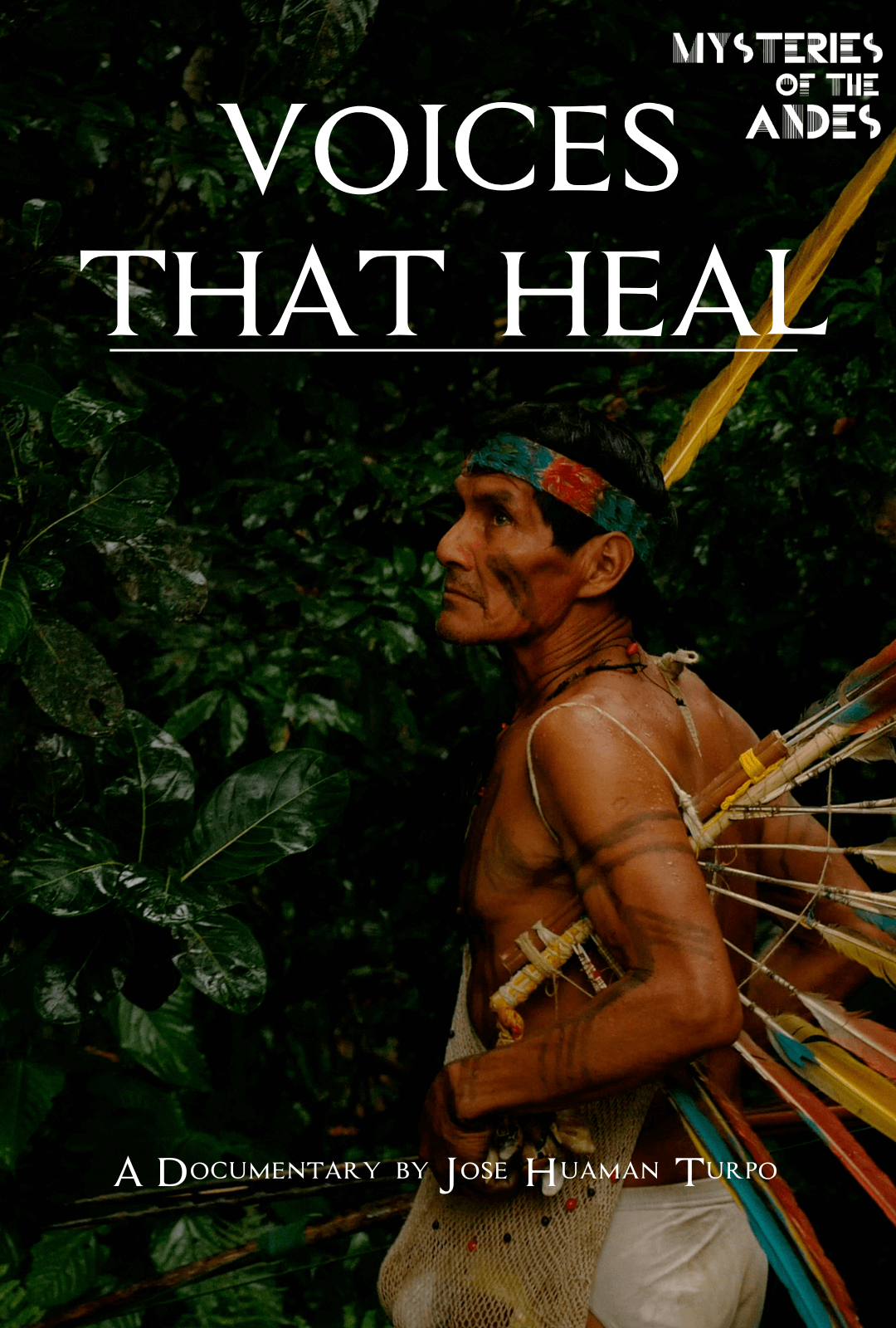
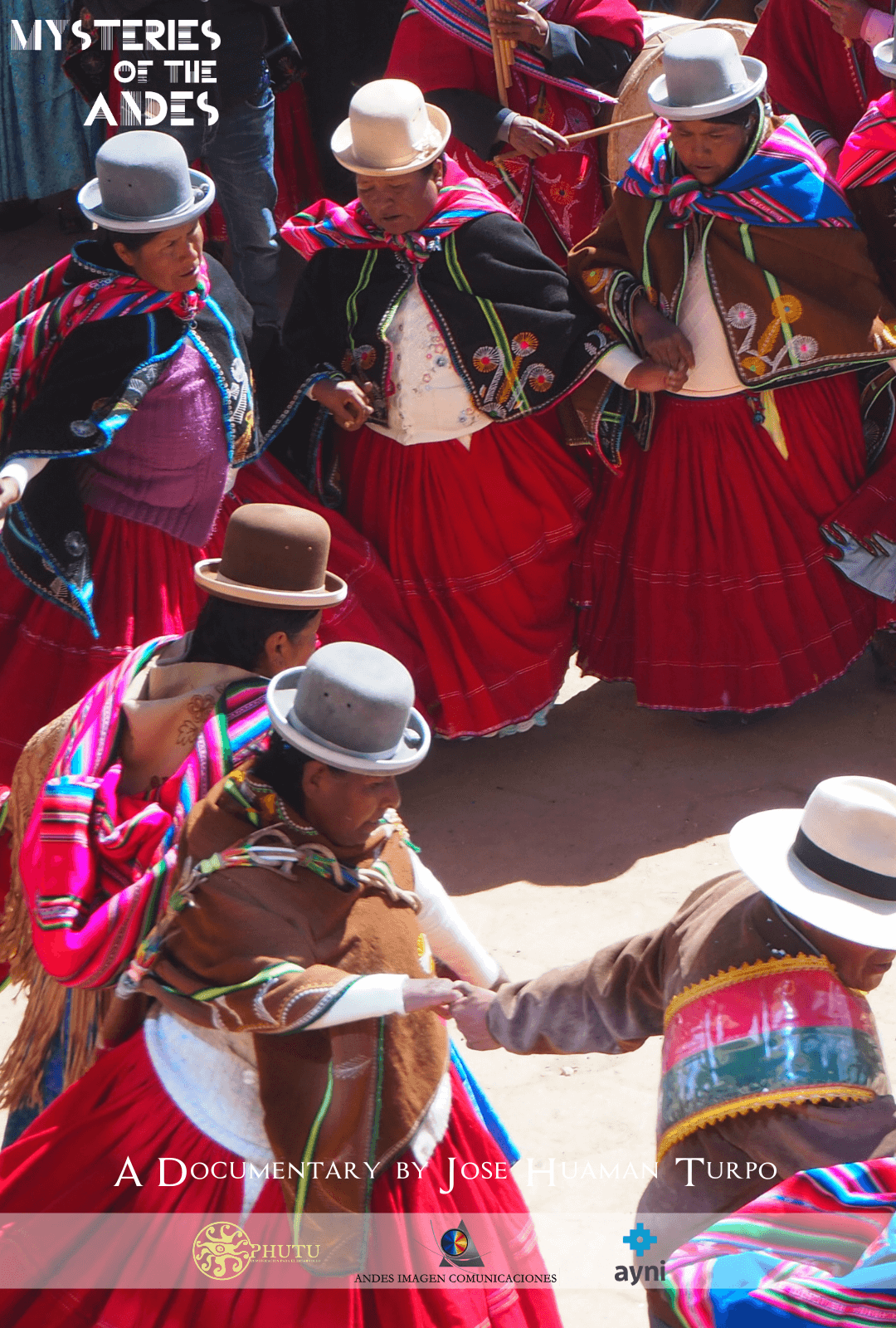
“The Mysteries of the Andes” series embarks on a groundbreaking endeavor, aiming to achieve what has never been accomplished before: a comprehensive documentation of the stories of Andean and Amazonian communities, all narrated in the authentic voices of the communities themselves.
Through these films, audiences will encounter the unfiltered realities of these villages. We endeavor to spotlight their deeply ingrained values, cultural artifacts, languages, stories of resilience, their articulations of social and earthly coexistence, and the profound worldviews that have the potential to enrich what we often refer to as “modern societies.”
We invite you to partake in this journey through three feature-length film documentaries, with a fourth on the horizon. Join us in understanding the wisdom of these remarkable communities, as they share their stories in their own words.

The Secret Code of Machu Picchu &
The Code of Wira Cocha
“The Secret Code of Machu Picchu” is a book that delves into the ancient Andean symbolism and design of Machu Picchu. The book is based on the seminal work presented in “The Code of Wira Qocha”. By thoroughly examining and documenting the visual motifs, the book uncovers a hundred previously undisclosed light and shadow motifs from Machu Picchu’s mythological narrative. Readers are invited to unravel the cryptic language of the Inkas by deciphering the spatial, visual, and symbolic dialects embedded within Machu Picchu’s architecture. The expertise of the pacha unancha gellga camayoc guides readers to gain insights into the profound artistry of the sanctuary.
Simultaneously, “The Code of Wira Qocha: Andean Millennial Symbolism” provides a comprehensive exploration of ancient Andean culture, worldview, and symbolism. The book is written by Zadir Milla Euribe, whose multifaceted expertise in fine arts, social sciences, and architecture enriches the understanding and appreciation of Andean cultural heritage for future generations. Beyond academia, Zadir’s influence extends to cultural preservation initiatives. This book offers a timeless lens into the cosmic order perceived by Andean masters over millennia, and it is an essential read for anyone interested in Andean culture and architecture.
The Seeds Course
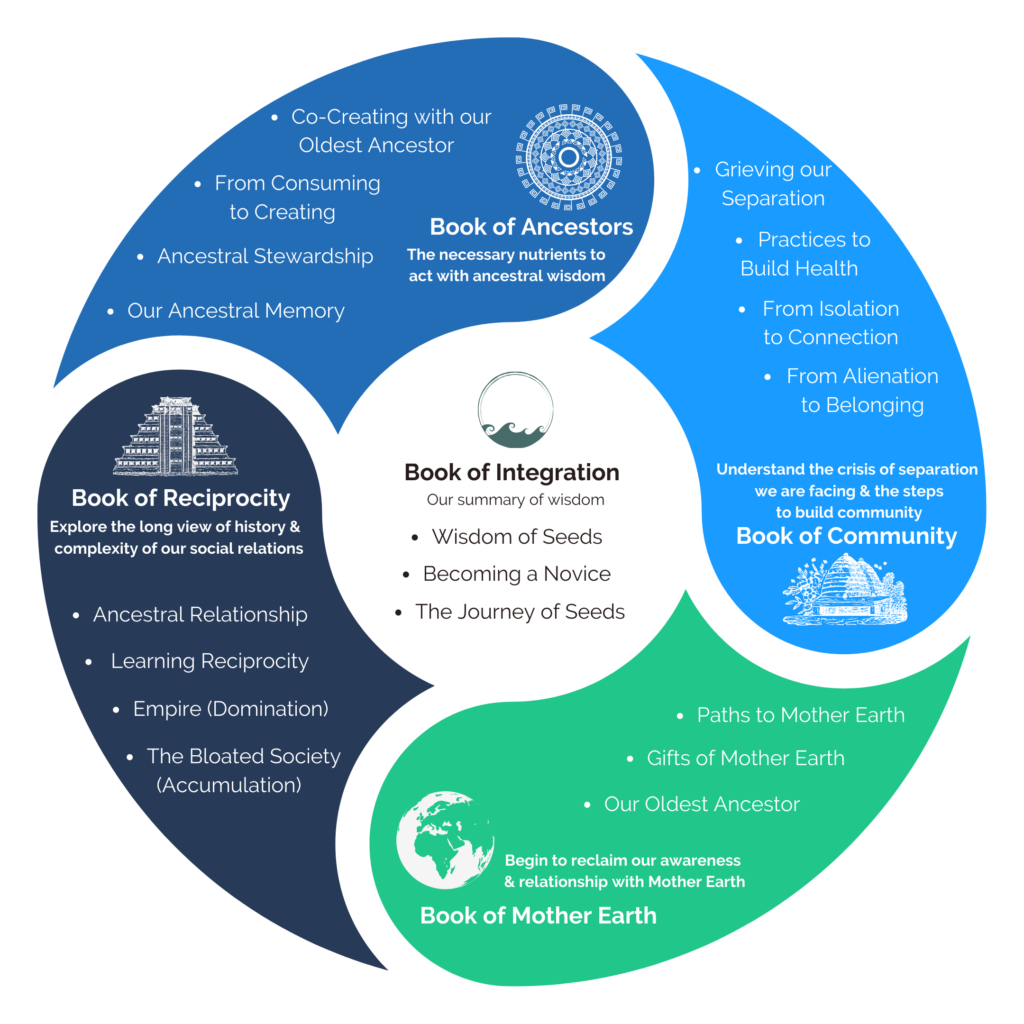
The purpose of the Seeds Program is to support community members in developing and deepening their relationships with their community, their ancestors, and Mother Earth. Through this course, we aim to co-guide you in reclaiming your personal identity and your relationship with your families and ancestors. We encourage you to learn and reflect on what it means to have reciprocity in your families, communities, and in your leadership. We also share frameworks that can guide you on your path as a novice to deepening your relationship with Mother Earth.
Reciprocity vs. Empire Mini Course
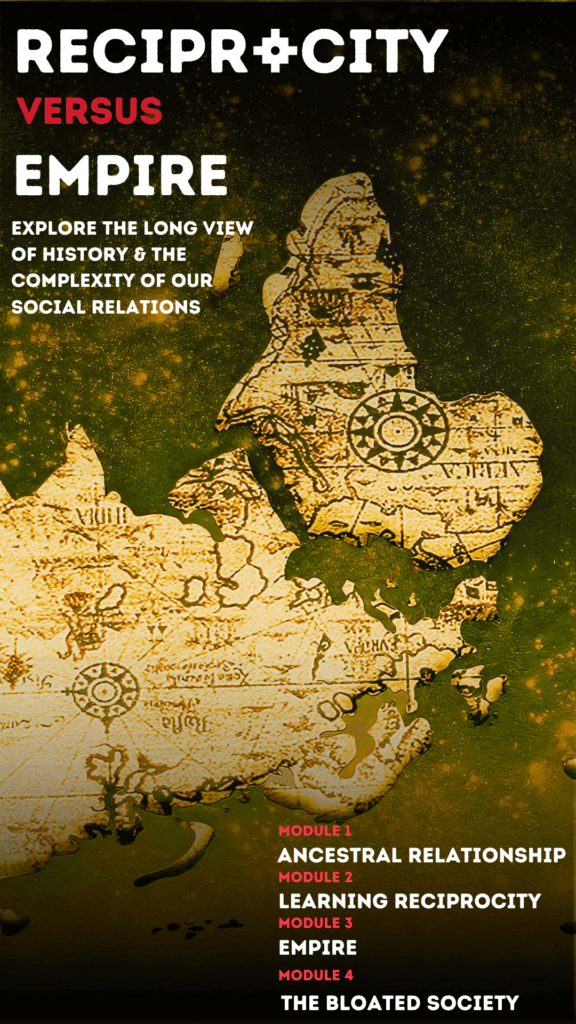
The Reciprocity vs. Empire: The Long View Series mini-course introduces the ancestral concept of Reciprocity and how this stands in contradiction to two of the most important historical processes of the last 5,000 years: domination through empire and accumulation through capitalism.
This mini-course introduces Reciprocity and its different modalities and scales (individually, communally, between communities, etc.) and provides an orientation to the Long View of history, a methodological perspective that allows one to view the roots of our social problems through historical processes over 5,000 years ago and thus grasp the complexity of our social relations today. Through this introduction to the Long View, viewers get a macro and systematic perspective of the origins of some of our most significant societal issues and how to understand them so that we may begin to transcend them and bring about a more reciprocal world.
Notable Events
Yachay Seminar
In 2018, we hosted our first Yachay Seminar at Boston University’s Photonics Center in collaboration with the BU Center for Latin American Studies. Together, we brought over 100 participants and led them on various trainings and premiered the third film of the Mysteries of the Andes Series, “Voices That Heal” by Director Jose Huaman Turpo and Alejandrina Calancha, which featured invited Healer and Santa Rosa de Huacaria Tribal Leader Alberto Manqueriapa. We also learned about Andean Semiotics and design from renowned elder and author Zadir Milla Euribe.
The Day of Learning
Over 150 individuals joined us for a profound Day of Learning with indigenous authors, educators, and artists, showing unwavering support for Native elders in New England and indigenous communities worldwide. The day commenced with a screening and insightful discussion of the documentary “Mashpee 9,” presented by Hana Bernadette and Bruzzy Hendricks, shedding light on the enduring impact of the 1976 trial on the Wampanoag community.
Following the screening, Oscar Montero, a human rights activist from Colombia’s Kankuamo community, shared invaluable insights into indigenous resilience and the challenges faced in Cauca. Participants also had the chance to engage with indigenous arts and crafts at our fair, featuring talented artisans like Deborah Spears Moorehead and Kenny Aluk.
During lunch, attendees explored the Mobile Museum of Andean Symbols and indulged in traditional Mohegan desserts crafted by Rachel Sayet. The afternoon sessions offered enriching workshops led by Suzanne Rancourt and Rachel Sayet, exploring expressive arts therapy and the preservation of Native foods.
In the closing session, panelists Hana Bernadette, Deborah Spears Moorehead, and Suzanne Rancourt reflected on their life experiences and discussed crucial topics like cultural appropriation and reciprocity with Native communities. We extend our deepest gratitude to all the presenters and elders who shared their wisdom, including Kenny Aluk, Bruzzy Hendricks, and Oscar Montero, as well as our indigenous elders in Latin America, whose guidance continues to shape our collective vision of reciprocity and cultural preservation.
Our Elders
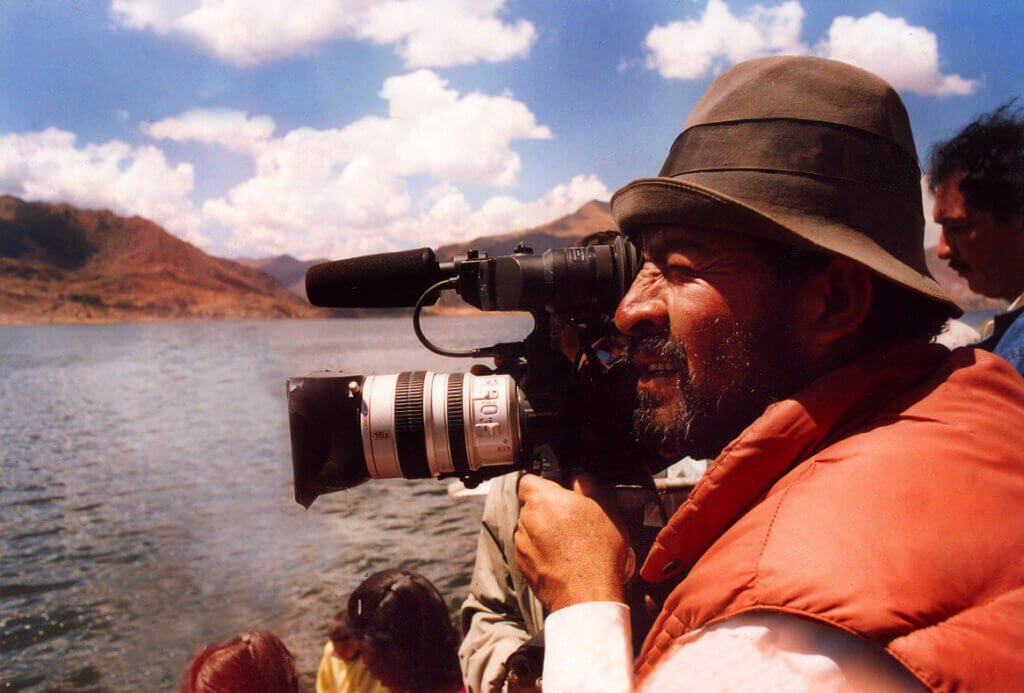
Jose Huaman Turpo
Jose Huaman Turpo, co-founder and director of “Mysteries of the Andes,” is a seasoned indigenous filmmaker from Cusco, Peru, with three decades of experience. Initially, a successful photographer and videographer in the international press, he was profoundly impacted by global inequalities and power dynamics. Motivated by a desire to document and preserve indigenous knowledge, Jose transitioned into documentary filmmaking. His “Mysteries of the Andes” series explores memory, oral history, and cultural imagination, empowering indigenous voices. He and collaborator Alejandrina prioritize human value, aiming to revitalize and share indigenous wisdom, fostering a global reconnection with humanity’s roots. Turpo has received many international film festival awards for his documentaries. He has also been honored by the Peruvian Congress as an Andean and Quechua filmmaker and was recognized by the City of Boston for “promoting and sharing the rich cultural heritage of Peru”.
Alejandrina Calancha Monge
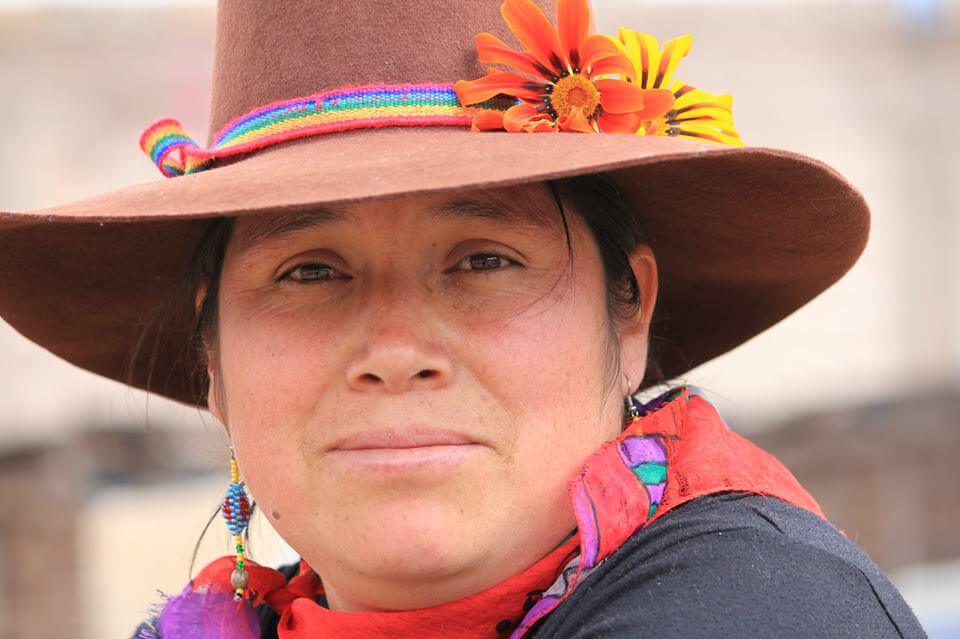
Alejandrina Calancha Monge, an indigenous radio host and producer from Cusco, Peru, has spent three decades in journalism and communications. Raised by migrant farmers, her journey led her to university, where she began her career in 1990. She has academic training in Social and Linguistic Communication from the University of San Antonio in Cusco. She later co-founded “Rimayninchis,” a groundbreaking Quechua radio program that defied traditional norms, highlighting indigenous perspectives. Concurrently, Alejandrina joined José Huamán Turpo in producing the “Mysteries of the Andes” documentary series, bridging indigenous wisdom from many communities. Their approach is marked by immersion, empathy, and enduring relationships, making Alejandrina a dedicated advocate for indigenous culture and voices. Producer Calancha is self-taught, with 12 years of editing experience, and has helped produce both award-winning documentaries Inkarri and Q’eshwachaka.
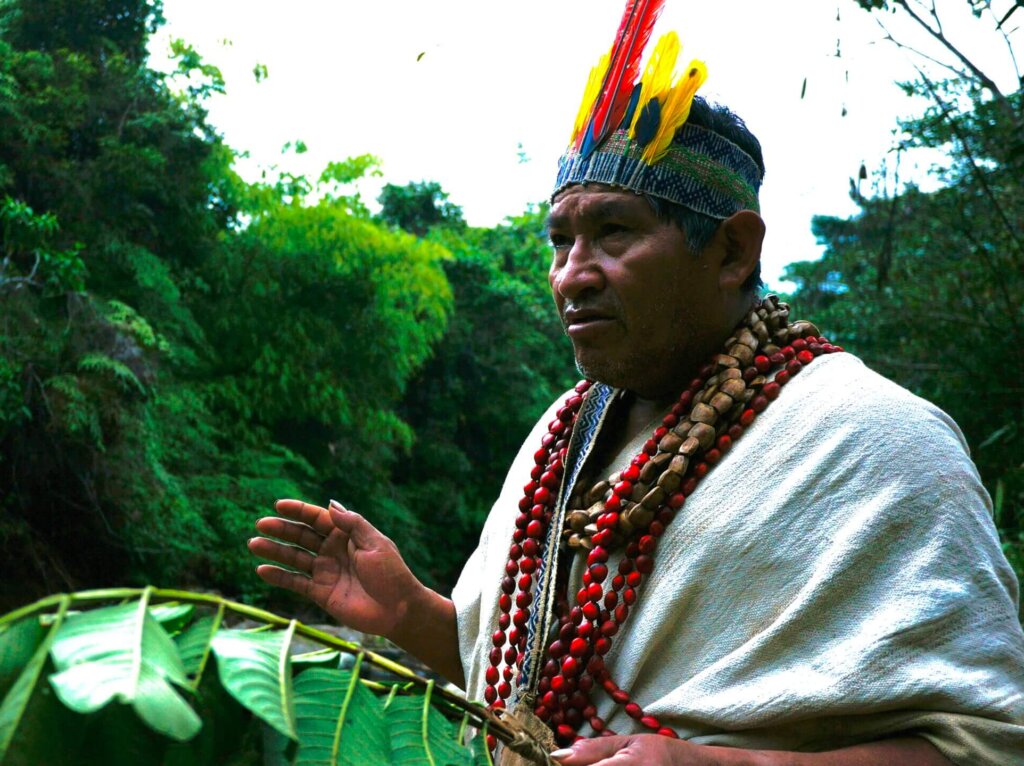
Alberto Manqueriapa
Alberto Menqueriapa Vitente, Chief of the Native Community of Santa Rosa de Huacaria in the Cusco Region of Peru, embodies the rich heritage of two Amazonian cultures: the Machiguenga and the Huachipaeri, each with unique healing traditions using plants. Influenced by his mother’s Machiguenga heritage, Alberto embraces physical plant-based healing methods, drawing from a vast knowledge of approximately 20,000 plant species. Conversely, his father’s Huachipaeri culture emphasizes energetic healing through chants known as “ícaros,” with a tradition spanning over 60,000 such chants. Alberto’s approach to learning is rooted in coexistence and respect for nature, observing natural processes and experimenting with medicines. As a steward and elder of ancestral wisdom, he imparts teachings to younger generations, ensuring the preservation of traditional knowledge. Guided by a worldview grounded in the interconnectedness of the universe, earth, forest, and water, Alberto’s expertise in Amazonian traditional medicine is showcased in the documentary “Voices That Heal,” highlighting his cultural heritage and expertise.
Zadir Milla Euribe
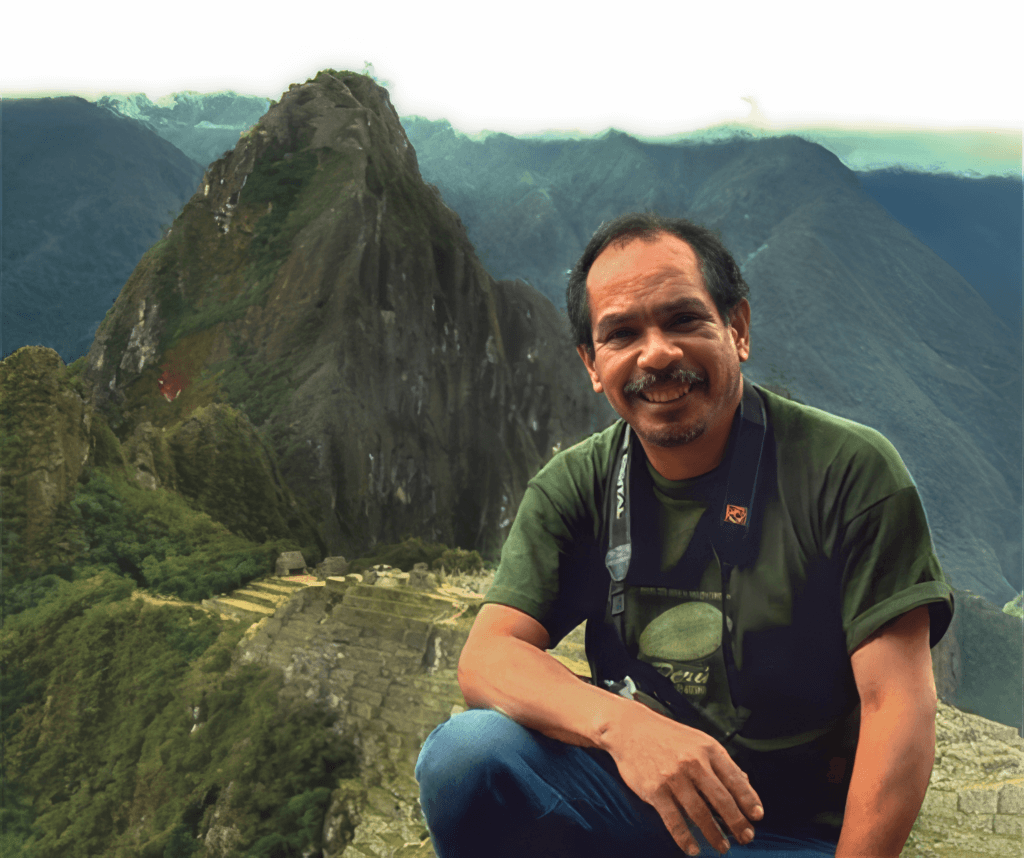
Zadir Milla Euribe, born in Lima in 1960, is a versatile scholar and artist with a rich educational background spanning fine arts, social sciences, and architecture. Specializing in semiotic research, he continues his father’s legacy in the Semiotics of Andean Art and Design, with notable publications like “Introduction to Pre-Columbian Andean Design Semiotics” and “The Secret Code of Machu Picchu.” As a seasoned visual artist and designer, Zadir has left his mark on various mediums, from sculpture to digital art, and is renowned for his contributions to Andean cultural preservation through projects like Peru Milenario Crea.Throughout his career, Zadir has been deeply involved in education, mentoring aspiring artists and designers at esteemed institutes like the Montessori Design Institute. Beyond academia, he has been a driving force in cultural organizations and initiatives aimed at safeguarding Andean art and design, serving as director and workshop facilitator for projects like the Andean Cultural Center Tunupa. Zadir’s influence extends beyond Peru, as he has consulted for governmental and non-governmental organizations and served as a jury member for prestigious awards.